Our website use cookies to improve and personalize your experience and to display advertisements(if any). Our website may also include cookies from third parties like Google Adsense, Google Analytics, Youtube. By using the website, you consent to the use of cookies. We have updated our Privacy Policy. Please click on the button to check our Privacy Policy.

Science and Technology

FODMAP: when it helps and how to avoid deficiencies

How to safely follow a low FODMAP diet and avoid deficiencies

What FODMAPs are and why they matterFODMAPs are short-chain carbohydrates that can be poorly absorbed in the small intestine and then fermented by bacteria in the colon. The acronym stands for fermentable oligosaccharides, disaccharides, monosaccharides and polyols. When these molecules reach the colon, they attract water and are rapidly fermented, which can cause gas, bloating, abdominal pain and altered bowel habits in susceptible people.When a low FODMAP approach helpsIrritable bowel syndrome (IBS): Robust clinical data indicates that a low FODMAP diet is particularly effective at alleviating IBS manifestations. Controlled trials alongside comprehensive meta-analyses document relief in roughly half to three-quarters…

Read More
The 12 Scientific Experiments That Changed 20th Century Physics

The legacy of the Michelson–Morley experiment in modern physics

1. The Michelson–Morley Experiment (1887)Although performed near the close of the nineteenth century, the Michelson–Morley experiment laid the groundwork for the physics of the twentieth century. Albert A. Michelson and Edward W. Morley sought to uncover the “luminiferous ether,” the theoretical substance through which light waves were thought to propagate. Employing an interferometer sensitive enough to register variations as minute as a fraction of a light wavelength, they measured and contrasted the velocity of light along perpendicular axes while Earth journeyed through the cosmos.The anticipated displacement of interference fringes failed to materialize. This null outcome weakened the ether theory and…
Read More
How are perovskite solar cells moving closer to commercial scale?

How are perovskite solar cells overcoming challenges to reach commercial viability?

Perovskite solar cells are a class of photovoltaic devices that use a perovskite-structured material as the light-absorbing layer. Over the past decade, they have moved from laboratory curiosities to serious contenders in the global solar market. Their appeal lies in a combination of high power conversion efficiency, low manufacturing cost, and design flexibility. Laboratory efficiencies have climbed rapidly, from below 4 percent in the early 2010s to over 26 percent in single-junction cells and above 33 percent in tandem configurations when combined with silicon.This rapid pace of advancement is totally unprecedented within the solar energy sector, sparking immense curiosity amongst…
Read More
What trends are emerging in carbon capture for hard-to-abate industries?

What trends are emerging in carbon capture for hard-to-abate industries?

Hard-to-abate sectors like cement, steel, chemicals, refining, and heavy transport generate a significant portion of worldwide industrial emissions. High-temperature heat, chemical reactions, or fossil-derived inputs underpin these industries, making direct electrification alone insufficient for their replacement. With net-zero goals becoming more stringent, carbon capture has stepped forward as a pivotal mechanism for handling greenhouse gases that evade elimination via efficiency gains or alternative fuels.Recent years have seen a shift from pilot-scale experimentation toward commercially oriented deployment. The trends below highlight how carbon capture is evolving to meet industrial, economic, and regulatory realities.From Single-Plant Projects to Industrial HubsOne of the strongest…
Read More
¿Por qué avanza tan rápido la detección de metano con nuevas tecnologías?

The convergence of factors accelerating methane detection technology

Methane detection technology is evolving at an unusually rapid pace, outpacing many other environmental monitoring tools. This acceleration is not accidental. It is driven by a convergence of climate urgency, regulatory pressure, technological breakthroughs, and economic incentives that make methane both a critical problem and a solvable one. Understanding these forces explains why innovation in this field is happening faster than ever before.Methane’s Effect on the Climate Can No Longer Be OverlookedMethane is responsible for roughly 30 percent of global warming since preindustrial times. Although it persists in the atmosphere for a shorter period than carbon dioxide, it is more…
Read More
What trends are driving bio-manufacturing and fermentation-based production?

Fermentation-based production as a pillar of low-carbon manufacturing

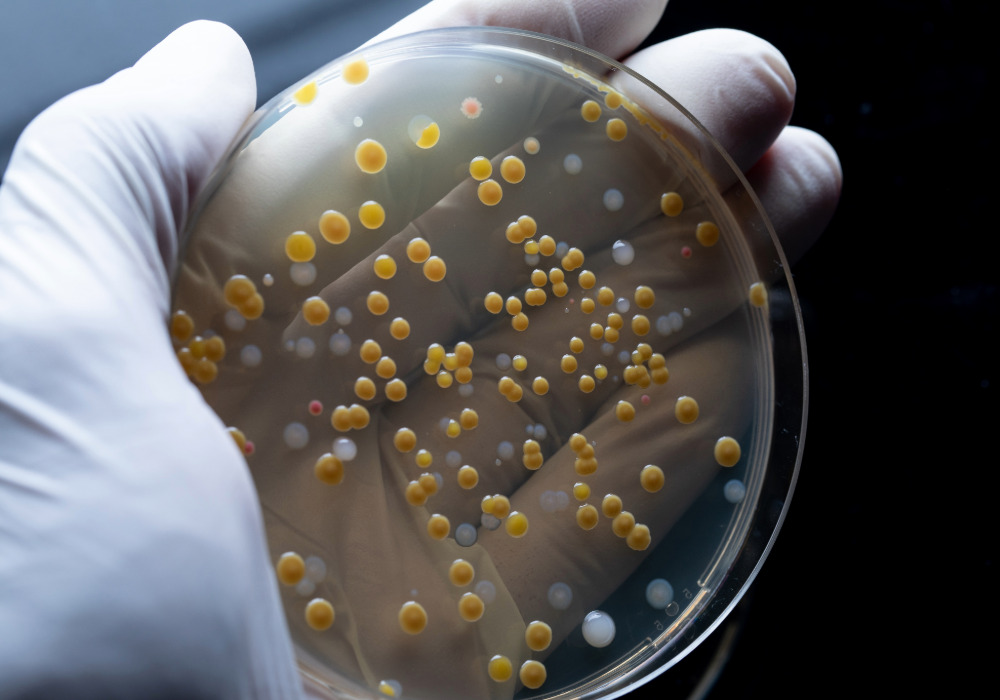
Bio-manufacturing employs living cells, enzymes, and broader biological systems to generate materials, chemicals, foods, and medicines, and fermentation-driven processes stand at the heart of this discipline, with bacteria, yeast, and fungi transforming feedstocks into high‑value products. Previously focused mostly on pharmaceuticals and food components, these methods are increasingly being applied to fuels, materials, agriculture, and a wide range of consumer goods, and multiple influential trends are hastening this evolution.Climate Pressure and the Push for Low-Carbon ManufacturingA major force behind this shift is the worldwide imperative to cut greenhouse gas emissions and lessen resource consumption, as conventional petrochemical production relies heavily…
Read More
Why is synthetic biology expanding beyond pharmaceuticals into materials?

Why fermentation technology is unlocking synthetic biology’s materials potential

Synthetic biology initially rose to prominence through its role in pharmaceuticals, where modified microbes were harnessed to generate insulin, vaccines, and intricate biologic therapies. Over the last decade, the same foundational strengths—accurate genetic engineering, scalable fermentation processes, and data-guided refinement—have evolved and become affordable enough to tackle challenges well outside the medical sphere. Consequently, synthetic biology is now moving swiftly into materials science, reaching into fields like textiles, construction, packaging, and electronics.This expansion is driven by a convergence of technological readiness, market demand for sustainability, and limitations of traditional material manufacturing.Technologies Driving the Widespread GrowthMultiple technological breakthroughs have increasingly reduced…
Read More
Why is AI governance becoming a core requirement for regulated industries?

AI governance frameworks for credit scoring and risk management

Artificial intelligence is swiftly shifting from small-scale trials to essential, high-stakes applications within regulated fields like finance, healthcare, energy, telecommunications, insurance, and pharmaceuticals, and as AI increasingly shapes decisions carrying legal, ethical, and social consequences, oversight has ceased to be optional and is instead evolving into a fundamental obligation driven by regulatory pressure, risk mitigation, and public responsibility.The Growing Influence of AI Across Critical Operational SettingsRegulated industries adopt AI to improve efficiency, accuracy, and scalability. Examples include credit scoring models in banking, diagnostic algorithms in healthcare, fraud detection in insurance, algorithmic trading in capital markets, and predictive maintenance in utilities.…
Read More
How are digital biomarkers changing health monitoring and diagnostics?

Digital biomarkers: transforming health monitoring from episodic to continuous

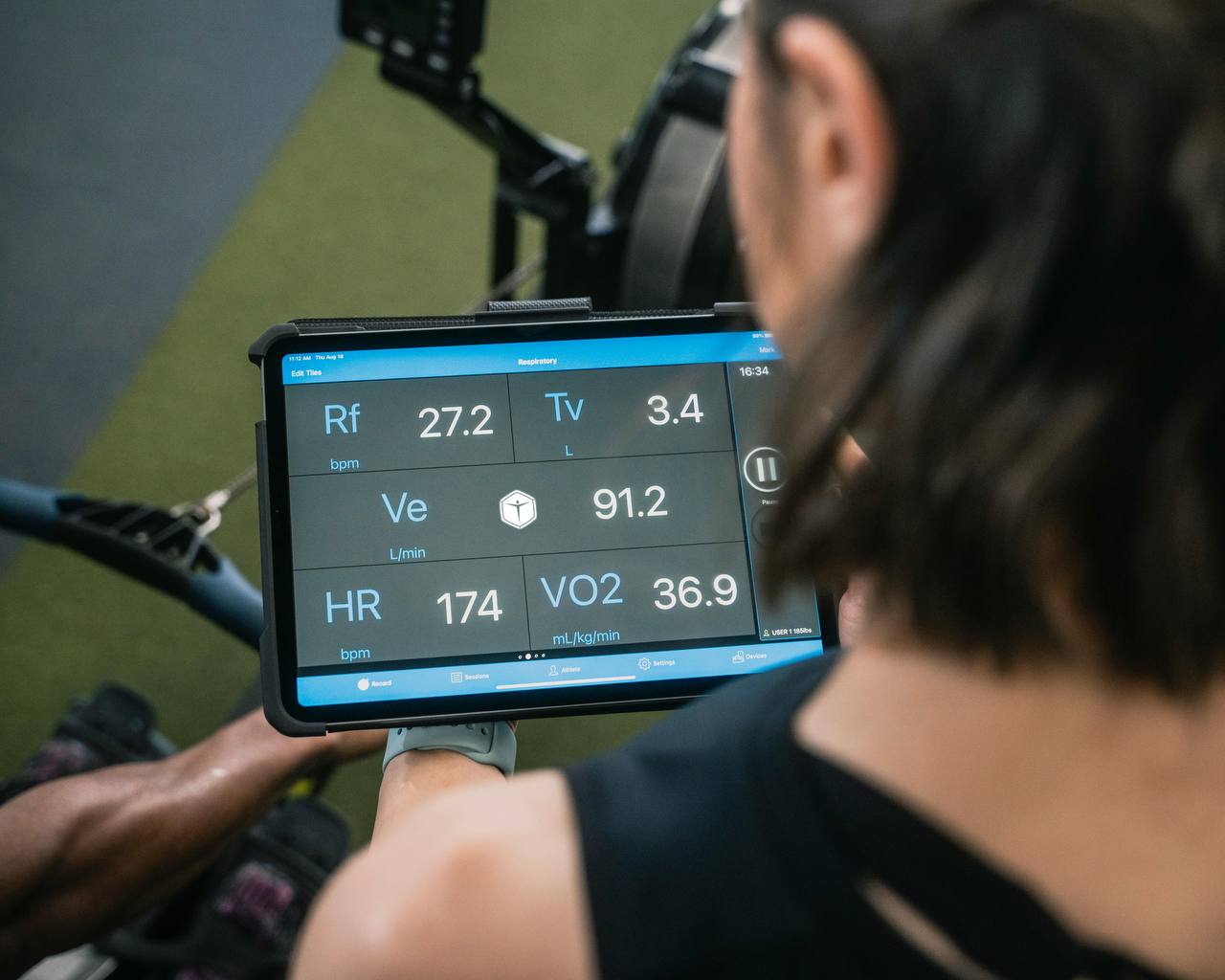
Digital biomarkers refer to objective and measurable physiological and behavioral information gathered via digital devices, including smartphones, wearable sensors, and connected medical instruments. In contrast to traditional biomarkers that typically depend on lab evaluations or in‑clinic assessments, digital biomarkers are produced continuously within everyday environments. They capture indicators such as heart rhythms, activity levels, sleep behaviors, vocal attributes, typing patterns, and movement dynamics, turning routine interactions with technology into meaningful health insights.Shifting from Occasional Treatment to Ongoing MonitoringTraditional health monitoring is typically episodic, based on occasional clinic visits and short diagnostic tests. Digital biomarkers shift this model toward continuous observation.…
Read More
XR, AR, VR, MR: What's the Difference in Reality? - Arm Newsroom

Beyond bulky: the new era of AR headsets

Augmented reality glasses and spatial computing platforms are evolving from niche experimental devices into essential computing instruments, a transition propelled by breakthroughs in hardware miniaturization, artificial intelligence, networking, and robust software ecosystems, all converging to reshape how digital experiences merge with the physical world and transform the ways people work, study, and engage with information.Prioritizing Miniaturization and Wearability in Core DesignOne of the most influential trends is the push toward lighter, more comfortable AR glasses that resemble everyday eyewear. Early headsets were bulky and power-hungry, limiting adoption. New generations focus on balanced weight distribution, thinner waveguides, and low-power components.MicroLED and…
Read More