Our website use cookies to improve and personalize your experience and to display advertisements(if any). Our website may also include cookies from third parties like Google Adsense, Google Analytics, Youtube. By using the website, you consent to the use of cookies. We have updated our Privacy Policy. Please click on the button to check our Privacy Policy.

Health

A Texas candy company switched to natural dyes — but it wasn't easy

Inside a Texas candy company’s effort to adopt natural dyes — difficulties and solutions

A candy manufacturer in Texas recently undertook a significant shift in its production process: moving from synthetic to natural colorants. While the decision aligned with growing consumer demand for more natural ingredients, the transition proved to be far from simple.For years, artificial dyes have been a standard in the confectionery industry due to their consistency, vibrant hues, and cost-effectiveness. However, increased awareness about food ingredients has encouraged many companies to reconsider what goes into their products. As a result, this Texas-based company decided to take the leap and reformulate its sweets with plant-based and mineral-derived colorings.The goal was straightforward: eliminate…
Read More
States, cities face loss of vaccination programs and staff after ‘baffling’ cuts to federal funding

Baffling federal funding cuts force states, cities to reduce vaccination programs and staff

Across the United States, public health agencies are grappling with the unexpected consequences of recent reductions in federal funding. Many state and municipal health departments now face the difficult prospect of scaling back vaccination programs and laying off staff, creating uncertainty at a time when ongoing immunization efforts remain essential for community health.The funding cuts—described by some health officials as abrupt and confusing—are affecting a wide range of services that go beyond COVID-19. Routine vaccinations for children and adults, outreach programs, and mobile clinics that serve vulnerable populations are all at risk. In many areas, the financial shortfall threatens to…
Read More
The U.S. fertility rate reached a new low in 2024, CDC data shows

U.S. fertility rate in 2024 at its lowest point, CDC data shows

The United States continues to see a steady decline in its fertility rate, reaching its lowest point in decades by 2024. This ongoing trend, reflective of broader societal shifts, highlights how economic pressures, cultural transformations, and changing personal priorities are reshaping the landscape of family planning across the country.Recent demographic data shows that the average number of children born per woman has dropped to levels well below what is considered necessary to sustain the population. This metric, often referred to as the total fertility rate, is a key indicator used to understand population dynamics and long-term societal trends. The latest…
Read More
Alcohol use is up among women — and health consequences have followed

Alcohol use surges among women — health effects to watch for

Throughout the United States, there has been a marked rise in alcohol consumption among women in recent years, leading to heightened worries about the associated health effects. Historically drinking less than men, women's drinking patterns have not only matched men's in frequency but also present greater biological dangers—even with lower consumption. This trend is particularly significant among women in their 30s and 40s, who have escalated their binge drinking and reported more symptoms related to alcohol use disorders compared to earlier generations.Several forces appear to be driving this rise. Social norms have shifted—women are more likely to delay marriage and…
Read More
U.S.-funded contraceptives for poor nations to be burned in France, sources say

Reports: U.S.-funded contraceptives for poor countries to be destroyed in France

A sizable consignment of contraceptives funded by the U.S., worth almost $10 million and originally designated to aid family planning initiatives in nations with lower incomes, is presently set to be disposed of in a medical waste plant located in France. This resolution follows several months of political and logistical stalemate that resulted in the stockpile—which includes birth control pills and long-term reversible contraceptives such as implants and intrauterine devices—being stuck in a storage facility in Europe.The contraceptives, purchased through a U.S. foreign aid program designed to improve global reproductive health access, were caught in the crossfire of policy changes…
Read More
FDA to review prescription fluoride supplements for kids at risk for tooth decay

FDA considers reviewing prescription fluoride supplements for kids at risk for tooth decay

The U.S. Food and Drug Administration (FDA) has announced its intention to review the safety and effectiveness of prescription fluoride supplements commonly recommended for children who are considered vulnerable to tooth decay. This decision marks a significant development in pediatric dental care and signals a broader examination of how preventive treatments are regulated and prescribed in the United States.Fluoride has long been recognized as a critical tool in preventing cavities, especially in children whose access to fluoridated water is limited or who are at a higher risk for dental disease. In many cases, pediatricians and dentists prescribe fluoride supplements in…
Read More
Summer Covid cases are rising across the U.S. — Is it time for a vaccine?

U.S. faces summer Covid spike — Should you consider vaccination?

As summer unfolds, COVID-19 infections are once again on the rise in various parts of the United States. While not reaching the alarming levels of previous years, the recent uptick in cases is noticeable enough to revive conversations around preventive measures—especially the potential need for updated vaccines.This seasonal resurgence has been observed through increased levels of viral particles in wastewater surveillance systems, a reliable early indicator of community spread. Emergency department visits and hospitalizations have also shown a modest but steady climb. Though the situation remains far from critical, the shift is significant enough to warrant attention, particularly for those…
Read More
U.S. program to combat HIV/AIDS survives Trump's latest round of cuts

U.S. efforts against HIV/AIDS persist through Trump’s newest funding cuts

The primary initiative of the U.S. government for combating HIV/AIDS has successfully evaded a suggested reduction in financial support amidst the Trump administration's overarching strategy to reduce federal expenditures. The continuing discussion about the allocation of funds for this initiative highlights the conflict between budgetary limitations and international health objectives.At the center of the controversy is PEPFAR (the President’s Emergency Plan for AIDS Relief), a cornerstone of U.S. health diplomacy since its launch in 2003. Over its two-decade run, PEPFAR has funded lifesaving treatment, prevention, and support services in dozens of countries—helping to curb new infections, reduce mother-to-child transmission, and…
Read More
How Canada became the centre of a measles outbreak in North America

Unpacking Canada’s emergence as the centre of a measles outbreak in North America

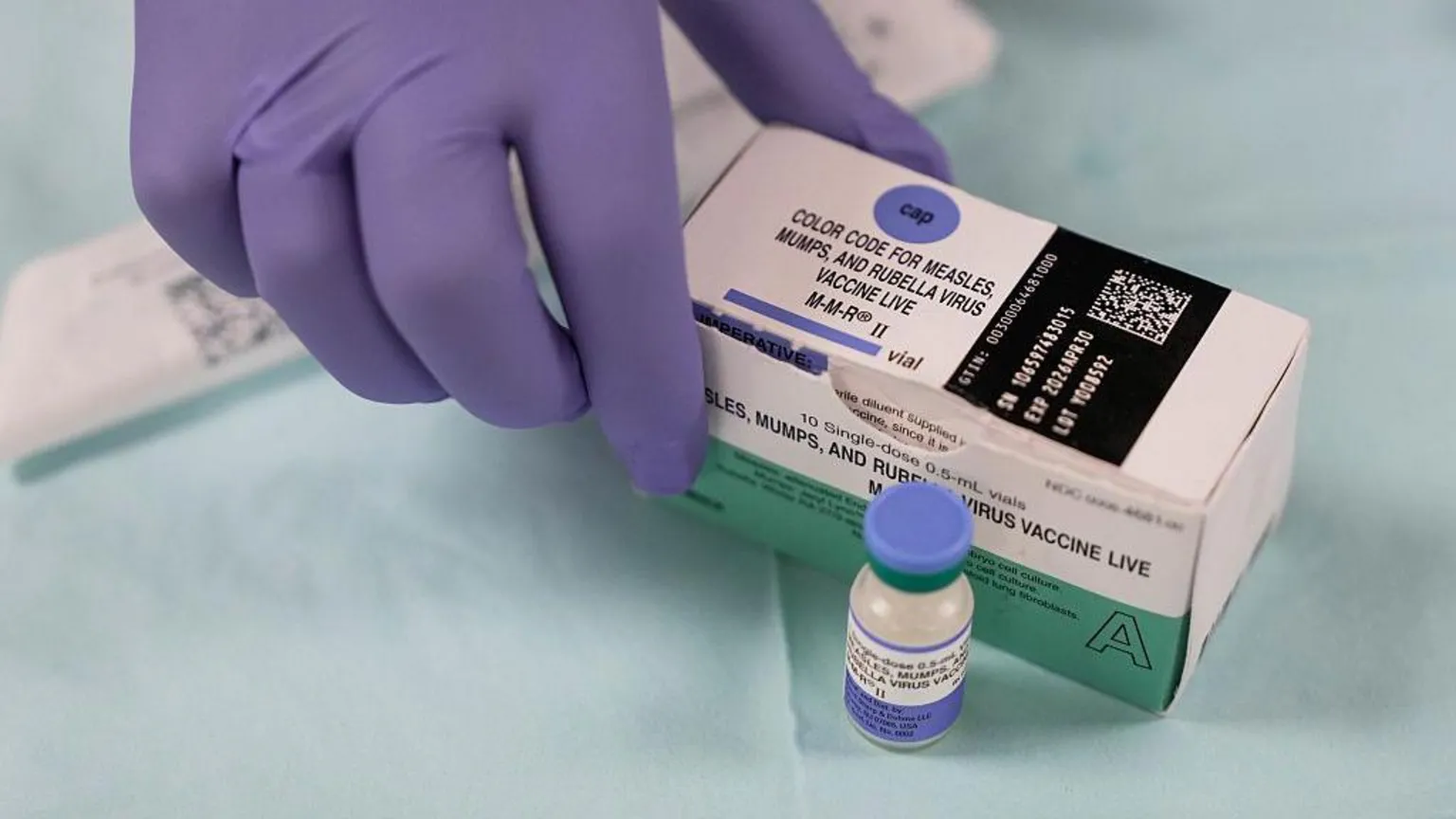
Once thought to be under control in much of North America, measles has made a concerning return in recent years. Among the countries facing renewed challenges, Canada has emerged as a surprising focal point of the outbreak. What was once a rare and preventable disease is now spreading again, prompting questions about vaccine coverage, public health strategies, and the societal factors influencing health behaviors.The rise in measles cases throughout Canada has captured considerable attention from both health authorities and the general public. Although single cases of measles are not uncommon, the extent and rapid spread in certain parts of Canada…
Read More
Our body is a mosaic of fungi. Some scientists think they could be influencing our brain

Our body is a mosaic of fungi. Some scientists think they could be influencing our brain

The human body is more than just a host to trillions of bacteria and viruses—it’s also teeming with fungi. While commonly associated with infections like athlete’s foot or yeast overgrowth, these microscopic organisms are, in fact, a natural and often overlooked part of the body’s internal ecosystem. Now, emerging scientific theories suggest that these fungal residents may not just coexist within us but could also be subtly influencing how our brains function.Fungi, akin to bacteria, constitute a crucial component of the human microbiome. Present on the skin, within the mouth, across the digestive tract, and even in the lungs, these…
Read More