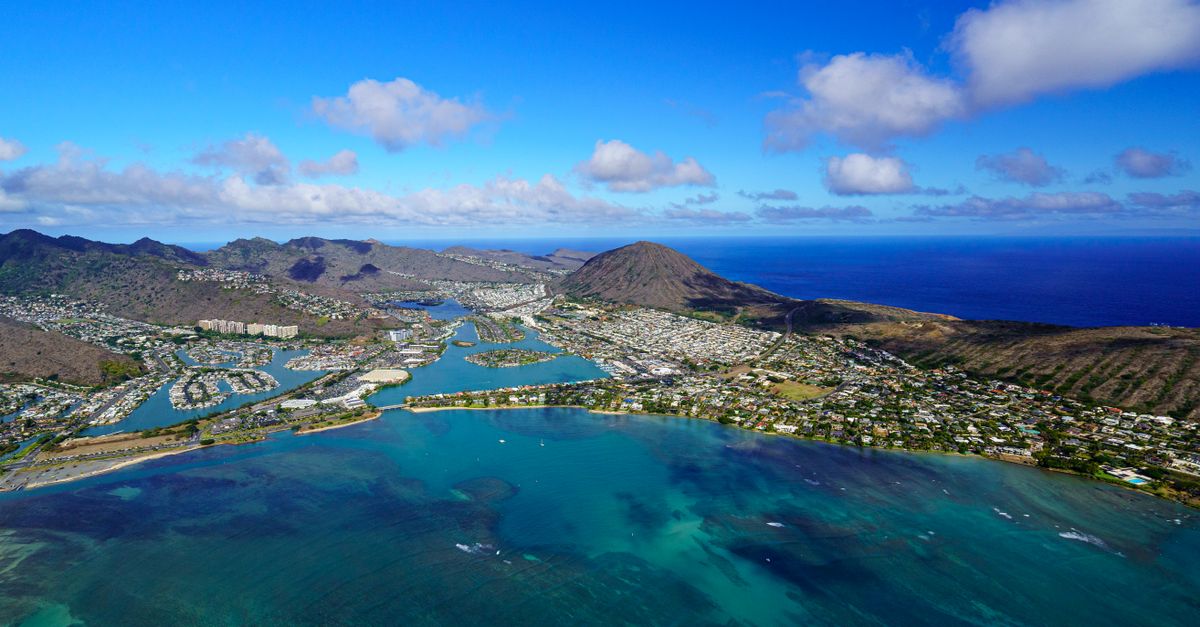
Portland, Maine blends its tough seafaring legacy with plentiful regional produce and a dynamic food community, creating a shoreline environment where active wharves and island living meet celebrated restaurants, inventive breweries, and steadfast fishing traditions; the city’s uniqueness arises from its landscape, past, shared customs, and fast-paced culinary evolution rooted in local harvests.
Geographical setting and seafaring heritage
Portland rests on a rugged peninsula where several rivers meet the sea, looking out over Casco Bay, a patchwork of more than 200 islands and tiny islets. This landscape shaped natural harbors, protected moorings, and straightforward routes to some of the most abundant fisheries along the U.S. Atlantic coast. Beginning in the 18th and 19th centuries, Portland grew into a hub for shipping, fishing, and shipbuilding. The Old Port district—its cobblestones, active wharves, and repurposed warehouses—stands as a tangible reminder of that seafaring heritage and remains the everyday backdrop for lobster vessels and commercial activity today.
Seafood essence: lobster, shellfish, and seasonal catches
Seafood shapes much of Portland’s culinary identity:
- Lobster: Maine lobster stands as the area’s hallmark catch. Portland’s harbor, lobster pounds, and seafood docks operate as key hubs where local lobstermen channel their harvests. The broader lobster industry sustains processors, wholesale buyers, restaurants, and direct-to-consumer operations.
- Oysters and shellfish: Oyster cultivation and clamming have grown throughout Casco Bay and nearby estuaries. Local oyster farms furnish oyster bars and restaurants while also supporting shellfish restoration efforts and community-based aquaculture initiatives.
- Seasonal foraging and small harvests: Wild Maine blueberries, spring fiddlehead ferns, and summertime scallops and cod have long enriched local diets and menus. Chefs and home cooks consistently embrace these seasonal offerings.
Portland’s seafood scene blends classic dishes like boiled or steamed lobster, traditional clam bakes, and crispy fried clams with a modern wave of raw bars, inventive small-plate shellfish pairings, and contemporary charred vegetable sides, while the contrasting lobster roll approaches—rich butter-warmed versions and cool mayonnaise-based salads—illustrate how local chefs and purveyors reinterpret one ingredient through differing culinary perspectives.
Dining experiences, culinary innovation, and gastronomic acclaim
Portland has gained nationwide recognition for how its compact urban core sustains an unusually dense mix of restaurants, chefs, and food‑oriented enterprises. Several elements distinguish the city:
- Restaurant diversity: From traditional lobster shacks and oyster bars to upscale dining rooms and local hangouts, the city offers wide-ranging price levels and styles, including chef-led tasting menus, easygoing fried-clam counters, and community bakeries.
- Local institution examples: Portland hosts nationally regarded spots that have defined its culinary identity—seafood-centric oyster bars, wood-fired kitchens highlighting regional produce and catch, and specialty makers such as potato-donut shops and artisanal fry houses that transformed local ingredients into signature favorites.
- Culinary entrepreneurship: Pop-ups, food trucks, and incubator kitchens appear frequently, giving chefs room to experiment and introduce fresh concepts. This adaptability enabled the city’s food sector to pivot during major disruptions like the pandemic, rapidly moving toward takeout, seafood subscription boxes, and digital ordering.
Brewing and distilling enterprises alongside related sectors
Craft beer and spirits are integral to the food culture. Portland is home to established breweries and a thriving craft scene that pairs naturally with seafood and pub fare. Brewery tasting rooms, beer dinners pairing local hop-forward products with oysters or fried foods, and collaborations between distillers and fishermen amplify the local culinary economy.
Markets, growers, and the farm-to-sea link
Farmers’ markets and local producers are a routine presence in Portland’s culinary life. Public markets, weekly farmers’ markets, and direct sales from coastal farms and fisheries ensure that restaurants source regionally. The close link between land and sea means menus frequently combine vegetable and dairy producers from inland Maine with seafood from the coast—reinforcing a distinct regional terroir.
Island living, vibrant community spirit, and rich local culture
Cultural patterns highlight Portland’s coastal identity:
- Working waterfront culture: Lobstermen, harbor pilots, fishmongers, and dockworkers remain a familiar sight, while community gatherings, wharfside activity, and the ebb and flow of fishing seasons influence everyday life.
- Island communities: Ferries to Peaks Island, Great Diamond Island, and other Casco Bay islands sustain both commuter routines and leisure travel, helping preserve island customs and small‑scale fishing traditions.
- Arts and food festivals: Seasonal celebrations, gallery strolls, and culinary events connect cultural life with the region’s food heritage, attracting visitors and strengthening local pride in distinctive regional offerings.
Sustainability, research, and adaptation
Portland hosts research and policy actors focused on marine ecosystems and sustainable fisheries. Regional institutions track warming trends in the Gulf of Maine, shellfish restoration efforts, and fisheries management. These scientific inputs inform local practices—from gear modifications and trap limits to collaborative monitoring programs led by fishermen and scientists—that aim to preserve both livelihoods and ecosystem health.
Climate‑driven shifts in water temperatures, species ranges, and storm severity are already reshaping harvesting periods and altering the mix of available species, while local strategies range from advancing aquaculture practices (including oysters and mussels) to broadening catch portfolios and expanding investments in value‑enhanced processing and direct sales aimed at reducing exposure to unstable wholesale markets.
Tourism and its economic influence
Portland’s visitor economy revolves around its coastal heritage and vibrant food scene. Seasonal demand is fueled by culinary travel, from sampling lobster rolls and exploring breweries to dining out and taking island trips, which together help support businesses throughout the year. The blend of an active port and a broad mix of high-quality dining and craft drink experiences shapes a unique offering that draws travelers from across the region and the nation.
Case studies and representative examples
- Business adaptation: During demand downturns, many Portland restaurants and seafood processors pivoted to direct-to-consumer box deliveries and nationwide shipping of fresh lobster, demonstrating supply-chain agility.
- Community-science partnerships: Local aquaculture projects and shellfish restoration efforts often pair community volunteers, local fishermen, and research organizations to monitor water quality and rebuild clam and oyster beds.
- Hybrid venues: Restaurants that combine on-site smokehouses, small-scale curing, or wood-fired ovens with seafood menus showcase how Portland blends traditional techniques with modern culinary design.
Why Portland’s coastal culture and food stand out
Several interlocking factors make Portland distinctive:
- Proximity to abundant resources: Direct access to Casco Bay and nearby fisheries supplies chefs and markets with exceptional freshness.
- Living maritime traditions: Ongoing working waterfront activities keep fishing knowledge and cultural practices visible and influential.
- Culinary creativity anchored in place: Chefs and entrepreneurs translate local ingredients into diverse dining experiences, from informal to fine dining.
- Institutional support for sustainability: Research organizations, community groups, and policy actors work alongside industry to manage change and innovate.
Portland’s coastal character is not simply a backdrop for dining; it is an active ingredient. The city’s identity emerges where lobster boats tie up beside cutting-edge kitchens, where island rhythms shape menus, and where scientific understanding meets culinary entrepreneurship. That interplay—between place, people, product, and practice—creates a coastal culture and food scene that feels rooted, resilient, and continually inventive.