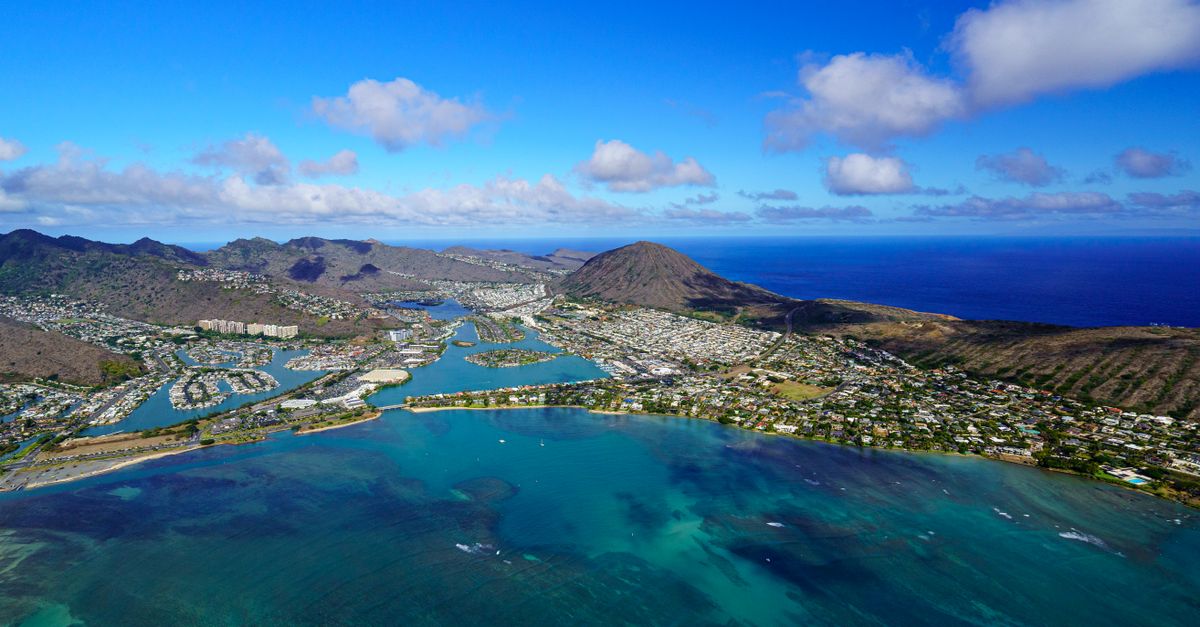
What sets Honolulu’s unique cultural blend apart
Honolulu’s character arises from a long history of intertwined Asian migration, Native Hawaiian and wider Polynesian traditions, and American political, economic, and cultural forces. What emerges is not merely neighboring communities coexisting, but an intricate, everyday blend expressed through cuisine, language, architecture, festivities, commerce, and civic life. This blend stays pragmatic and flexible, continually reshaped across generations and giving rise to cultural expressions and social practices found only in this island city.
Historical and demographic foundations
– Honolulu emerged as a major Pacific port and evolved into a key hub for the sugar and pineapple plantation economy, with labor needs attracting substantial immigrant waves from East and Southeast Asia and from Pacific islands starting in the late 19th century. – The city later served as the political and military headquarters for the islands once American administration and subsequent state-level institutions took shape, and that U.S. institutional structure influenced law, land ownership, schooling, and mass media, establishing a dominant framework for cultural interaction. – The intersecting populations — long-established Native Hawaiian communities, multigenerational Japanese, Chinese, Filipino, and Korean families, newer Asian newcomers, and migrants from the American mainland — create one of the country’s highest levels of multiracial identification and a demographic blend unmatched by any city on the continent.
Culinary fusion serving as a daily showcase of diverse influences
Food offers the clearest and most tangible reflection of Honolulu’s diverse blend, as local dining habits reveal how Asian, Polynesian, and American influences merge into fresh, widely embraced culinary styles.
- Everyday meals: The standard casual meal often pairs American-style proteins with Asian sides: white rice, pickled or stir-fried vegetables with soy-based seasonings, and a liberal use of sauces that trace back to Chinese and Japanese pantry traditions.
- Street and diner culture: Neighborhood plate meals evolved on plantation lines—substantial portions of starch and protein prepared for workers—later adapted into urban diners and takeout counters that mix Asian stir-fries, American barbecue, and Pacific island flavors.
- Hybrid dishes: Several locally iconic plates were invented by mixing ingredients and techniques: simple raw fish bowls seasoned with soy and sesame oils; noodle soups adapted from Chinese hand-pulled or Cantonese broths and served in American-style lunch counters; and comfort dishes that use canned and processed meats combined with rice and gravy in ways that borrow from multiple culinary legacies.
- High-end fusion cuisine: Fine-dining chefs in Honolulu and surrounding neighborhoods reinterpret local fish, tropical fruits, and island-grown produce using modern European techniques and Asian seasoning profiles, producing globally recognized restaurant concepts that still emphasize local sourcing and native flavors.
Language, everyday speech, and identity
Linguistic practices in Honolulu show how prolonged interaction and everyday bilingual use have shaped distinctive local varieties.
- Creole English: Hawaii Creole English, often referred to as the island’s local vernacular, merges English grammar and vocabulary with substrate elements drawn from Japanese, Chinese dialects, Portuguese, Filipino languages, and Polynesian languages. It is widely used as a principal spoken form in numerous social settings and conveys a shared sense of local identity across diverse ethnic groups.
- Multilingual public life: Advertising, signage, and media outlets address audiences who use various Asian languages alongside English, while schools provide heritage language options. This multilingual atmosphere influences expectations in business interactions and community services.
Religion, ritual, and communal practice
Religious and ritual practices reflect a negotiated coexistence and patterns of mutual borrowing.
– Temples, shrines, churches, and community halls associated with Asian immigrant congregations stand alongside Christian churches and spaces for traditional Native Hawaiian ceremony.
– Public festivals, memorial events, and neighborhood observances often layer practices: lantern processions, community dances, shared feasts, and memorial rites may draw elements from Chinese ancestral customs, Japanese memorial traditions, Christian feast days, and Native Hawaiian ceremonial forms.
– Institutional structures, such as schools and veterans’ organizations, became venues where immigrant groups and Native Hawaiian communities jointly shaped civic rituals, holiday calendars, and local commemorations.
Physical setting and neighborhood dynamics
The cityscape of Honolulu reflects a layered blend of cultural influences that exposes its economic past and underlying social hierarchies.
- Historic neighborhoods: Once rooted in plantation-era housing and worker enclaves, these areas gradually transformed into diverse districts where community hubs such as eateries, markets, and local services showcase a broad blend of cultural backgrounds.
- Chinatown and market districts: These commercial stretches draw on long-standing Asian merchant practices reshaped for an island-based economy, featuring import wholesalers, niche retailers, and hybrid dining spots that cater to both residents and travelers.
- Tourism infrastructure: Layers of American resort planning introduced a stylized island identity—curated cultural performances, coastal retail promenades, and resort-style buildings—woven with Polynesian influences to create a marketable yet enduring vision of island life.
- Military and federal presence: Naval and aviation installations have influenced development patterns, employment opportunities, and population movements, importing mainland American norms and generating demand for culturally adaptive services and amenities.
Artistic expression, musical creation, and cultural output
Creative expression in Honolulu mixes traditional forms with imported styles and contemporary reinterpretation.
– Local music and performance styles blend indigenous melodic and rhythmic elements with Japanese and Asian musical instruments and American popular music structures. The result appears in community concerts, radio programming, and recorded music that circulate locally and internationally.
– Visual arts and fashion incorporate native materials and Polynesian patterns with East Asian motifs and American pop aesthetics; galleries and public art commissions increasingly emphasize cross-cultural narratives and local materials.
– Community-based cultural programming — in schools, museums, and festivals — stages hybrid practices that teach both ancestral knowledge and contemporary skills, creating new forms of cultural literacy.
Political economy, migration, and societal dynamics
The fusion is not only cultural but also economic and political.
- Immigrant entrepreneurship: Asian and Pacific Islander families launched numerous small enterprises that evolved into neighborhood mainstays, including markets, eateries, and service providers that cater to residents as well as visitors.
- Labor history shaping civic life: Experiences rooted in plantation work and World War II mobilization fostered broad civic alliances that left a lasting imprint on labor unions, veterans’ groups, and the trajectory of political representation.
- Tourism and global linkages: Honolulu’s economy continues to rely significantly on travelers arriving from East Asia, North America, and various Pacific regions. This economic focus encourages cultural exchange in both directions, with visitor expectations influencing food and retail choices while local innovation responds to worldwide preferences.
Cases that illustrate hybridity
– A neighborhood diner may serve a midday combo that pairs a Western-style grilled meat with a bowl of broth-based noodles flavored with soy and local sea salt, all consumed by multigenerational families speaking a mix of local vernacular and heritage languages.
– A civic festival might schedule a series of events that include a traditional Polynesian canoe display, a parade with East Asian dragon-style imagery, a memorial service at a veterans’ monument, and pop music concerts—attracting both residents and international visitors.
– High-end restaurants promote menus that pair local reef fish with ingredients and techniques from Japan and Europe, while relying on produce from island farms and culinary staff trained in both local and international kitchens.
Social tensions and creative negotiation
Distinctiveness also includes friction. Land use pressures, disparities in wealth, and debates over cultural representation surface regularly:
– Historic sites and cultural practices face pressures from development and tourism commodification, prompting local movements to protect sacred places, traditional knowledge, and sustainable fishing and farming practices.
– Generational differences emerge as younger residents synthesize hybrid identities more confidently, while older groups may emphasize preservation of distinct ethnic or indigenous forms.
– Policy debates over housing, land rights, and economic priorities force negotiation between preserving local life and meeting global economic demands.
Honolulu’s cultural landscape is best understood as a living conversation among histories and peoples. The city’s everyday rituals, foodways, language practices, and built spaces do not merely juxtapose Asian, Polynesian, and American elements; they recombine them into practical, expressive, and often improvised forms that answer local needs. That recombination is inseparable from economic structures—plantations, military investment, tourism—and from ongoing debates about who controls land and meaning. The result is a localized modernity: familiar global influences refracted through island conditions and long-standing community practices, producing cultural patterns that are resilient, contested, and continually renewed.