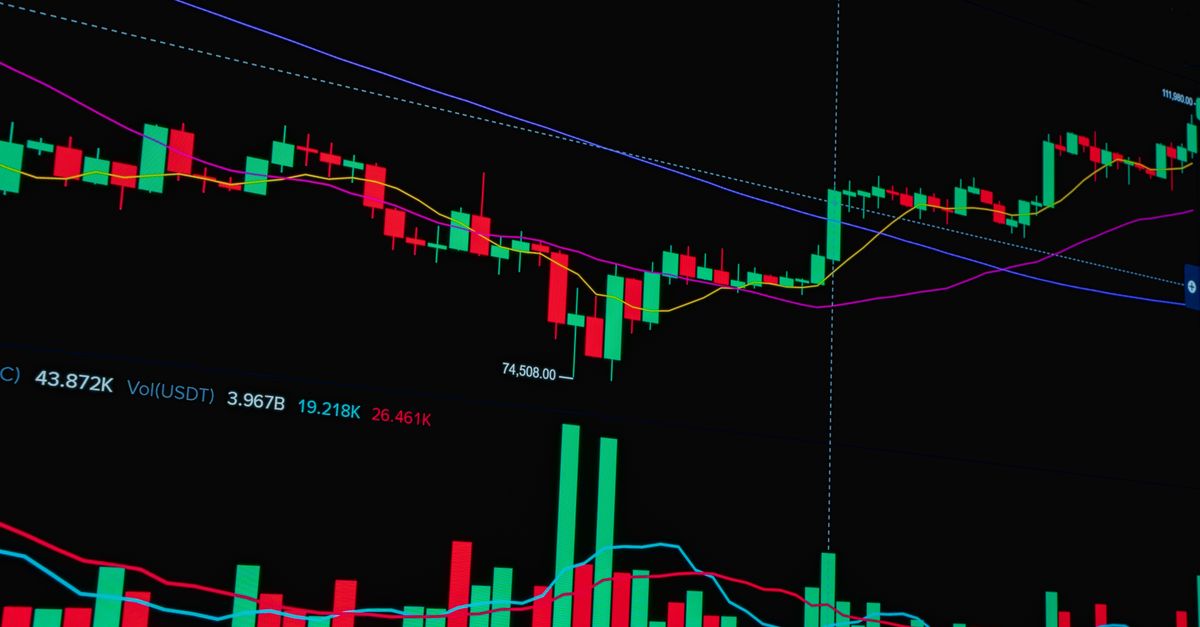
Understanding Speculative Bubbles
A speculative bubble emerges when the valuation of an asset climbs well past its actual worth, propelled chiefly by overenthusiastic market sentiment instead of solid fundamentals. Typically, these phases are energized by cheap credit, technological breakthroughs, financial engineering, or pervasive market optimism. Ultimately, economic reality catches up, triggering steep corrections or sudden crashes that frequently inflict enduring financial damage. Across history, numerous bubbles have drawn attention because of their sheer magnitude, consequences, and lasting takeaways.
1. The Dutch Tulip Mania (1630s)
Often referenced as history’s earliest documented speculative bubble, Dutch Tulip Mania reached its zenith during 1636–1637 within the Netherlands. Recently brought to Europe from the Ottoman Empire, tulips transformed into coveted status symbols, while exceptionally rare specimens fetched staggering amounts.
At the height of the frenzy:
- Some tulip bulbs reportedly sold for more than 10 times the annual income of a skilled craftsman.
- Contracts for future delivery of bulbs were traded in secondary markets, resembling early derivatives.
The speculative frenzy came to an abrupt halt in February 1637 as bidders stopped showing up at auctions. Values plummeted by upwards of 90 percent in a matter of months. Even though the wider Dutch economy held up fairly well, the episode turned into a classic warning concerning crowd psychology and runaway speculation.
2. The South Sea Bubble (1720)
The South Sea Company was founded in 1711 in Britain, promising profits from trade with Spanish South America. In exchange for assuming portions of national debt, the company received government backing, which lent credibility to its prospects.
Speculation intensified in 1720:
- Share prices rose from around 100 pounds in early 1720 to over 1,000 pounds by August.
- Promoters launched numerous dubious ventures, many with vague or absurd business plans.
When confidence faltered, shares collapsed, wiping out fortunes. The crash led to parliamentary investigations and reforms in financial regulation. The episode demonstrated how political connections and financial innovation can inflate unsustainable valuations.
3. The Mississippi Bubble (1719–1720)
Around the same time as the South Sea Bubble, France experienced its own speculative mania under the leadership of John Law. The Mississippi Company was granted a monopoly over French trade in North America and took control of national debt.
Key dynamics included:
- Rapid money supply expansion through paper currency issuance.
- Shares soaring from 500 livres to over 10,000 livres within a year.
As skepticism regarding the company’s genuine profitability and monetary stability emerged, widespread panic broke out. The French financial apparatus eventually collapsed, sparking rapid inflation and a lasting distrust of fiat currency. This historic event profoundly molded French perspectives on banking and finance for generations to come.
4. The Railway Mania (1840s)
The Industrial Revolution introduced transformative technologies, and railways were among the most disruptive. In Britain during the 1840s, investors poured money into railway companies, expecting exponential growth.
Between 1844 and 1846:
- Parliament approved more than 8,000 miles of fresh rail routes.
- Railway stock values multiplied by two or three over the course of a few years.
However, many projects were poorly planned or redundant. Construction costs soared, and projected revenues failed to materialize. By 1847, share prices collapsed, bankrupting investors. Yet unlike purely speculative assets, railways left behind valuable infrastructure that supported long-term economic growth.
5. The Roaring Twenties and the Wall Street Crash (1929)
The 1920s in the United States were marked by rapid industrial expansion, rising consumer credit, and booming stock markets. Margin trading allowed investors to borrow heavily to buy stocks, amplifying gains and risks.
By 1929:
- The Dow Jones Industrial Average had increased nearly sixfold from 1921 levels.
- Investors could buy stocks with as little as 10 percent down payment.
In October 1929, panic-driven selling provoked severe market drops. Nearly 90 percent of its valuation had vanished by 1932. This collapse helped fuel the Great Depression, an era marked by widespread banking collapses, unemployment rates soaring past 20 percent, and a sharp shrinkage in worldwide commerce. Subsequent regulatory overhauls, including the Securities Act of 1933, fundamentally transformed financial supervision.
6. The Dot-Com Bubble (1995–2000)
The rise of the internet fueled extraordinary enthusiasm for technology companies in the late 1990s. Venture capital flowed into startups with unproven business models, and initial public offerings soared.
During the peak:
- The Nasdaq Composite index rose from under 1,000 in 1995 to over 5,000 in March 2000.
- Many companies with no profits and minimal revenues achieved multibillion-dollar valuations.
The bubble burst in 2000 as earnings failed to justify valuations. By 2002, the Nasdaq had plummeted nearly 80 percent from its peak. Although trillions of dollars in market value disappeared, this era likewise accelerated the development of digital infrastructure, laying the groundwork for the sustainable tech giants that arose subsequently.
7. The U.S. Housing Bubble and Global Financial Crisis (2007–2008)
Between 2000 and 2006, a significant surge in U.S. home prices was driven by relaxed lending criteria, minimal interest rates, and intricate financial instruments. Risk was distributed among worldwide financial institutions through collateralized debt obligations and mortgage-backed securities.
Indicators of excess included:
- National home prices doubling in less than a decade.
- Subprime mortgages extended to borrowers with weak credit profiles.
As housing values started to drop in 2006, payment failures spiked dramatically. Financial institutions deeply invested in mortgage-backed assets experienced disastrous deficits. Back in 2008, the downfall of prominent corporations sparked a worldwide financial meltdown, resulting in harsh economic downturns, state rescue packages, and sweeping legislative overhauls like the Dodd-Frank Act.
Frequent Trends and Lasting Takeaways
Despite differing historical contexts, these bubbles share recurring characteristics:
- Excessive optimism fueled by new opportunities or innovations.
- Abundant liquidity and easy credit conditions.
- Financial innovation that obscures underlying risk.
- Herd behavior reinforced by media and social proof.
- Sudden loss of confidence triggering rapid price collapses.
Not all bubbles leave only destruction. Railway infrastructure and internet technologies delivered long-term benefits despite short-term financial devastation. Yet the human cost of severe crashes, particularly in 1929 and 2008, underscores the systemic risks of unchecked speculation.
Speculative bubbles expose a fundamental paradox within capitalism: the identical optimism and risk-taking that fuel innovation can equally trigger instability. Every generation trusts it has tampered risk via novel instruments and advanced insights, whereas repeating cycles indicate that human psychology stays the most enduring factor. Markets transform, tools shift, and oversight tightens, yet the friction linking ambition with caution keeps steering economic history.