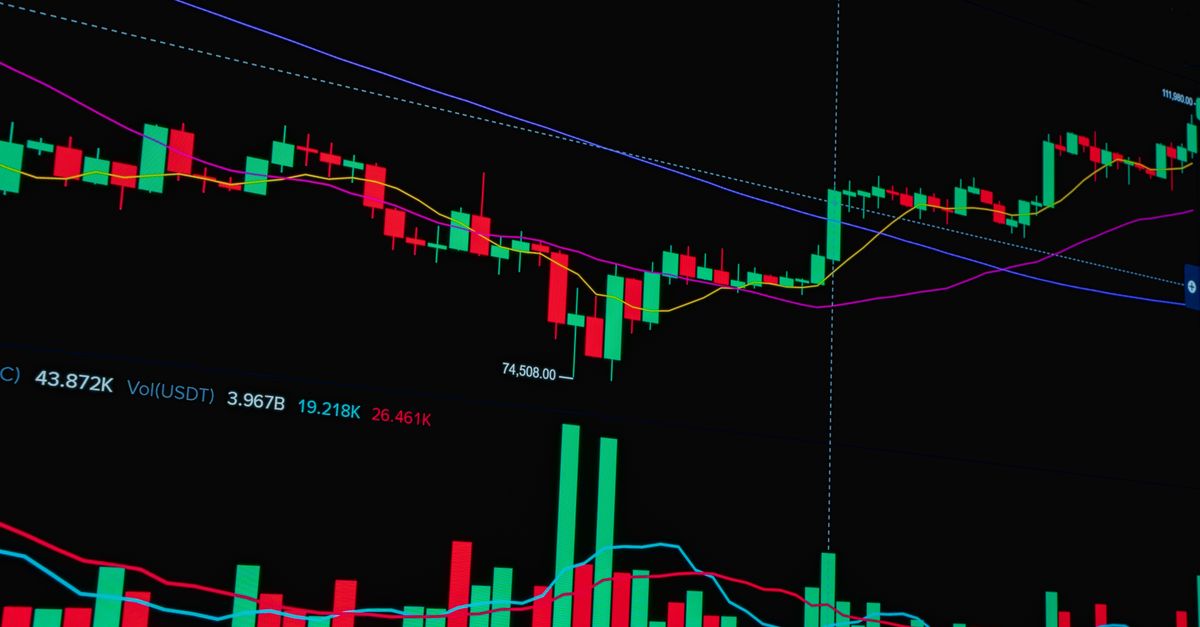
Investors often struggle to separate compelling stories from enduring forces. A narrative is a simplified explanation that spreads quickly, usually driven by headlines, social media, or charismatic leaders. Narratives can move prices fast, but they often lack staying power. A major trend, by contrast, is a long-term shift supported by measurable data such as earnings growth, adoption curves, demographic changes, or cost declines.
For example, during the early 2020s many stocks rallied on the narrative of “work from anywhere.” Some companies justified their valuations with little more than user growth projections. Meanwhile, the broader and more durable trend was enterprise cloud adoption, which showed consistent revenue expansion across multiple economic cycles. Investors who focused on the underlying trend rather than the loudest stories were better positioned to hold through volatility.
Why Investors Are Drawn to Narratives
Narratives are attractive because they simplify complexity and offer emotional validation. Behavioral finance research shows that investors overweight recent information and vivid stories, a bias known as recency bias and availability bias. These biases can lead to chasing performance rather than assessing fundamentals.
Typical traits commonly observed in narrative-driven assets include:
- Swift value gains occurring even though profit expansion does not keep pace
- Significant dependence on forward‑looking forecasts instead of existing cash inflows
- Intense focus from individual investors along with substantial press exposure
Recognizing these traits does not mean avoiding innovation. It means demanding evidence that a story is becoming a sustainable business reality.
Frameworks for Seizing Trends While Steering Clear of Hype
Investors can rely on structured, data‑driven approaches that help them capture major trends without getting pulled into distracting market stories.
Follow the Economics Before the Story Sustainable trends show improving unit economics over time. For instance, renewable energy moved from narrative-driven optimism to trend-driven reality as the cost of solar and wind power fell by more than 80 percent over the past decade. Investors who tracked cost curves and subsidy independence were able to distinguish long-term winners from short-lived hype.
Look for Broad Adoption, Not Isolated Success True trends expand across industries and geographies. Artificial intelligence provides a useful case. While individual stocks experienced speculative surges, the broader trend became evident through enterprise spending data, productivity gains, and rising capital expenditures by multiple sectors. This breadth reduced reliance on any single company’s story.
Use Time as a Filter Narratives burn hot and fade quickly. Trends persist through market cycles. A practical approach is to wait for at least one earnings cycle after a theme becomes popular. If revenue growth, margins, and customer retention remain strong, the theme may be evolving into a durable trend.
Portfolio Construction Techniques That Reduce Narrative Risk
The way investors assemble their portfolios is just as important as the assets they choose.
- Diversify within a trend: Rather than committing to a single stock fueled by a hot narrative, spread investments across several firms that stand to gain from the same long-term movement.
- Scale in gradually: Entering positions in stages can lessen the chance of purchasing during narrative-driven highs.
- Rebalance systematically: Reducing holdings after swift surges helps secure profits and curbs risk as stories lose momentum.
These techniques help investors stay invested in growth while maintaining discipline when sentiment runs ahead of fundamentals.
Signals That a Narrative Is Becoming a Trend
Several signals indicate that a storyline is shifting toward becoming an enduring trend:
- Steady expansion in revenue sustained over several quarters
- Strengthening profit margins or an evident route toward achieving them
- Growing involvement from institutional investors instead of short-term market participants
- Regulatory measures or infrastructure advances that facilitate lasting adoption
For example, electric vehicles shifted from speculative enthusiasm to a clearer trend as charging infrastructure expanded, battery costs declined, and consumer adoption increased year after year. Even then, not every company succeeded, reinforcing the need for selectivity.
Sustaining a Long-Term Investment Perspective
Avoiding narrative chasing is less about resisting excitement and more about cultivating patience. Major trends reward investors who accept slower entry points in exchange for higher confidence. Reviewing assumptions regularly, stress-testing valuations, and asking what would invalidate a thesis are habits that keep narratives from dominating decision-making.
The most successful investors are not those who ignore stories, but those who place stories in their proper context. By grounding decisions in data, economics, and time-tested processes, investors can participate in transformative trends while sidestepping the costly detours of hype-driven markets.