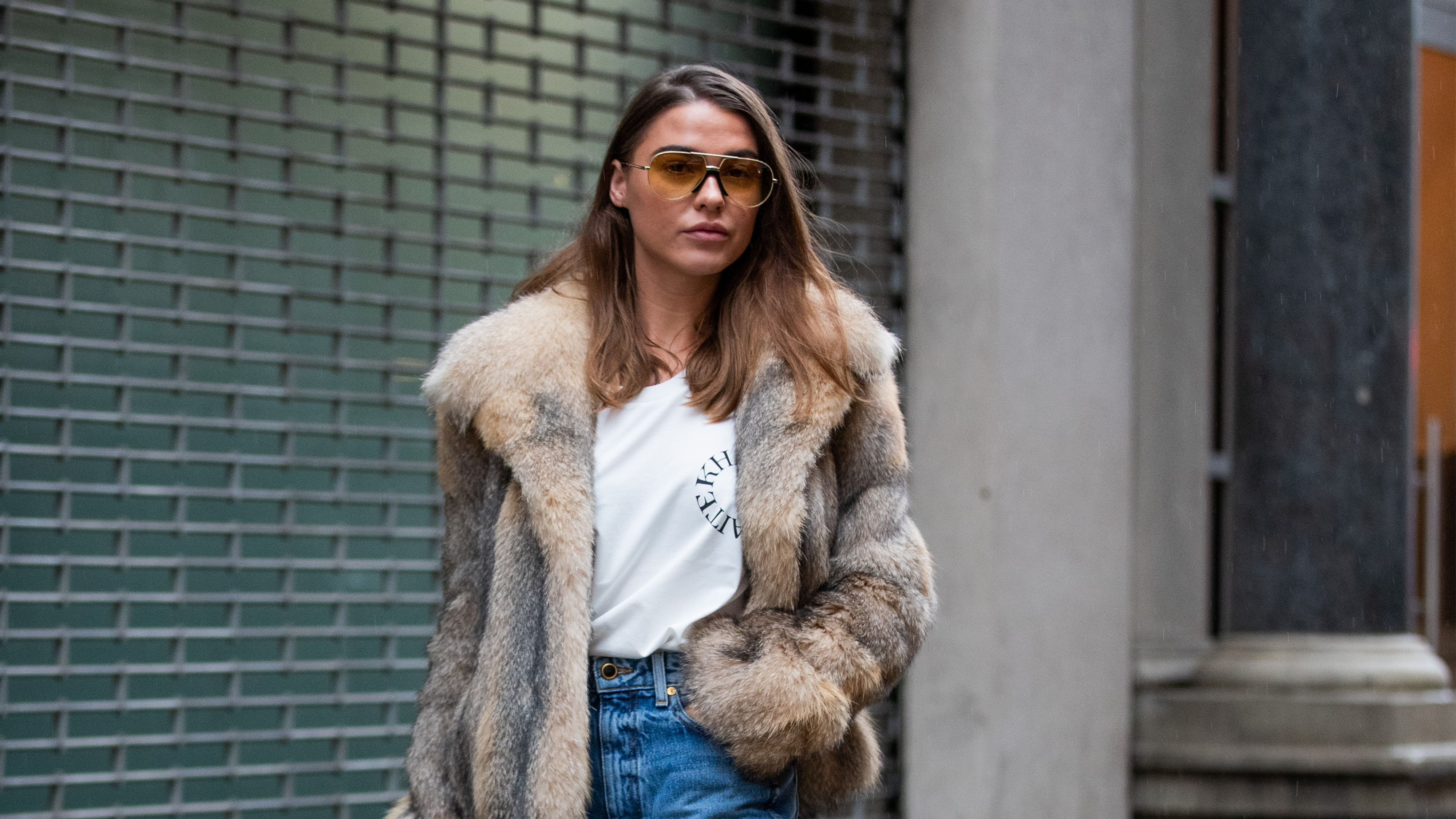
Jenna Ortega, one of Hollywood’s most captivating young talents, is embarking on a fresh chapter in both her personal and professional journey, showcasing style decisions that honor historical influences while heralding an adventurous future. Her recent fashion expressions demonstrate a reinvention of the iconic “New Look,” a shape made famous by Christian Dior in the late 1940s, currently revamped with her unique perspective of contemporary minimalism and boldness.
The initial New Look, launched in 1947, brought a transformative shift to post-war clothing styles, featuring tightened waists, flared skirts, and gently contoured shoulders. It represented a tribute to femininity during a period when numerous women were shifting from wartime frugality to peacetime elegance. Although undeniably enchanting, the style also signified a reassertion of self through attire. Ortega’s method reimagines this iconic silhouette for the modern era, blending form with flexibility, and history with contemporary significance.
Famous for her daring performances and confident demeanor, Ortega is accustomed to using fashion as a form of personal expression. Her clothing selections regularly display a blend of character-inspired stories and personal preference, which is why her embrace of a revamped New Look has captured interest not just from admirers but also from fashion designers and stylists. Instead of fully embracing the style, Ortega personalizes it—choosing tailored blazers, redesigned skirts, single-color schemes, and surprising textures that mirror the original shape but in a uniquely contemporary, Gen Z style.
In a recent outing, Ortega donned a meticulously styled outfit that brought back the hourglass silhouette characteristic of the New Look, albeit with a modern twist: leather pleats, asymmetrical designs, and shortened components taking the place of tulle and satin. Her version maintains a sense of elegance while favoring crisp lines and deeper hues, possibly reflecting her inclination towards roles that delve into the mysterious and the unusual.
This evolution in her style parallels her growth as an actress. With breakout performances in shows like Wednesday and films that explore themes of identity, fear, and transformation, Ortega has quickly become known for roles that challenge stereotypes. It’s only natural that her fashion would follow suit—pushing beyond conventional trends to embrace something deeper, something rooted in narrative, history, and rebellion.
Fashion insiders have commended Ortega for maintaining a delicate balance between being trendy and timeless. Unlike many young celebrities who get caught up in the fast pace of fashion trends, Ortega has shown herself to be discerning, choosing outfits that add to a visual narrative instead of simply making noise. Her outfits, influenced by the New Look, are a prime example: they nod to tradition without seeming copied.
More significantly, Ortega’s adaptation of the style comes at a time when the fashion industry is reassessing its icons and models. In an era characterized by gender flexibility, cultural transformation, and environmental responsibility, the concept of “novelty” in fashion has evolved. It’s no longer merely about shape or fabric; now it focuses on purpose and self-expression. Ortega’s take on the New Look reflects this transformation—it’s deliberate, curated, and individual.
Her fashion selections highlight her expanding role as a significant culture trendsetter. Ortega has moved beyond being an actress to observe; she’s now perceived as an inspiration for creators who appreciate boldness and genuineness. Her knack for transforming traditional styles while keeping their core intact reflects a larger change in the fashion world, where younger people prefer to redefine, rearrange, and revitalize rather than simply adhere.
Behind the scenes, Ortega has worked closely with stylists who understand the delicate balance between honoring tradition and innovating beyond it. These collaborations have resulted in red carpet looks that are visually arresting yet grounded in history. Her appearance at major fashion events has solidified her position not just as a celebrity in attendance, but as a participant in shaping the direction of fashion itself.
And yet, for all the strategy and sophistication in her looks, Ortega maintains an air of effortlessness that resonates with audiences. Her style never feels forced—it feels lived-in, like an extension of her inner world. This authenticity is likely why fans gravitate toward her, not just for her performances but for what she represents: creativity, confidence, and a willingness to evolve.
Whether she is present at film debuts, placed at the forefront of fashion events, or posting genuine snapshots on online platforms, Ortega’s style selections consistently stimulate discussion. By adopting and reimagining the New Look, she questions the notion that contemporary fashion must always disregard historical influences. Instead, she demonstrates how tradition can be empowering—when used with deliberate intent and uniqueness.
As the fashion world watches Ortega’s next steps, her evolving aesthetic signals a broader movement—one that values history but refuses to be bound by it. The New Look, in her hands, becomes something more than fashion: it becomes a symbol of artistic continuity, personal reinvention, and the enduring dialogue between past and future.