Our website use cookies to improve and personalize your experience and to display advertisements(if any). Our website may also include cookies from third parties like Google Adsense, Google Analytics, Youtube. By using the website, you consent to the use of cookies. We have updated our Privacy Policy. Please click on the button to check our Privacy Policy.

Month: April 2026

How is EUV lithography evolving to enable smaller process nodes?

EUV Lithography’s Role in Shrinking Process Nodes

Extreme Ultraviolet lithography, widely referred to as EUV lithography, stands as the pivotal manufacturing method driving the advancement of semiconductor process nodes below 7 nanometers. Harnessing 13.5 nanometer wavelength light, this approach enables chip manufacturers to create exceptionally compact and intricate circuit designs that earlier deep ultraviolet methods could not deliver economically or physically. As the semiconductor sector advances toward 3 nanometers, 2 nanometers, and even smaller scales, EUV lithography continues to evolve at a rapid pace to address extraordinary technical and financial challenges.From Early EUV Systems to Large-Scale Production ReadinessEarly EUV systems were primarily research tools, constrained by low…

Read More
How are microLED displays advancing for wearables and AR devices?

How MicroLED Displays Innovate Wearables & AR

microLED is a display technology built from microscopic light-emitting diodes where each pixel emits its own light. Unlike LCD, there is no backlight, and unlike OLED, there are no organic materials that degrade quickly. For wearables and augmented reality devices, this combination of self-emissive pixels, high brightness, and long operational life addresses long-standing limitations in size, power efficiency, and durability.Wearables and AR systems require displays that remain ultra-compact, easily visible under direct sunlight, energy-conscious, and able to deliver exceptionally high pixel density. As these needs grow, microLED development has become increasingly synchronized with them, positioning it as one of the…
Read More
Why is in-orbit servicing becoming a strategic space capability?

Why In-Orbit Servicing Matters Strategically in Space

In-orbit servicing refers to the ability to inspect, repair, refuel, upgrade, or reposition spacecraft after launch. Once considered experimental, it is now emerging as a strategic capability with economic, security, and sustainability implications. As space becomes more congested and contested, the ability to maintain and adapt assets already in orbit is reshaping how governments and companies plan long-term space operations.The Economic Logic: Extending the Value of Expensive AssetsModern satellites, particularly those in geostationary orbit, often cost several hundred million dollars to design, launch, and insure. Their operational lifetimes are frequently limited not by payload failure, but by depleted propellant or…
Read More
What is gender-fluid fashion?

What is gender-fluid fashion?

Gender-fluid fashion is a concept that challenges the traditional boundaries set by binary gender norms in clothing. Rather than adhering strictly to masculine or feminine styles, gender-fluid fashion embraces a spectrum of possibilities, allowing individuals to express themselves without limitations imposed by traditional gender roles. This fashion movement not only reflects changing societal norms but also plays an integral role in promoting inclusivity and self-expression.The Evolution of Gender-Fluid FashionHistorically, clothing has served as a major indicator of gender identity, with specific silhouettes, colors, and designs traditionally designated for men and women. Yet, from the late 20th century into the early…
Read More
What is vintage style?

A Deep Dive into Retro Trends

The term "retro" evokes nostalgia and a return to styles and sensibilities of the past. But what exactly constitutes a retro trend, and why do they captivate consumers across generations? Let's delve into the concept of retro trends, exploring their origins, their influence on various industries, and examples that highlight their persistent allure.The Essential Essence Driving Retro TrendsA retro trend describes the resurgence of past-era styles, concepts, and aesthetics, often refreshed or reinterpreted to align with current preferences. These trends typically flourish by drawing on nostalgia, offering people a reassuring sense of the familiar. Retro influences can appear in fashion,…
Read More
Why algorithmic bias becomes a public policy risk

The Growing Threat of Algorithmic Bias in Public Policy

Algorithmic systems now make or influence decisions across criminal justice, hiring, healthcare, lending, social media, and public services. When those systems reflect or amplify social biases, they stop being isolated technical problems and become public policy risks that affect civil rights, economic opportunity, public trust, and democratic governance. This article explains how bias arises, documents concrete harms with data and cases, and outlines the policy levers needed to manage the risk at scale.Understanding algorithmic bias and the factors behind its emergenceAlgorithmic bias refers to systematic and repeatable errors in automated decision-making that produce unfair outcomes for particular individuals or groups.…
Read More
Norway: How energy transitions create investable opportunities beyond oil and gas

Investing in Norway’s Sustainable Future: Post-Oil & Gas Opportunities

Norway has long been defined by oil and gas. Today it is redefining its comparative advantages — abundant renewable electricity, advanced maritime engineering, deep capital markets, and a skilled labor force — to create investable opportunities beyond hydrocarbons. The transition is not about replacing one revenue stream with another overnight. It is about turning energy-system strengths into sectors that attract private capital, scale industrial value chains, and decarbonize European and global demand.Why Norway Holds a Strong Strategic PositionNorway’s power system is largely driven by hydropower, delivering consistent, low‑carbon electricity throughout the year, with annual output typically reaching 130–150 terawatt-hours and…
Read More
How climate action gets financed in vulnerable countries

Climate Finance Strategies for Vulnerable Countries

Vulnerable countries—those with limited capacity to absorb climate shocks, high exposure to sea-level rise, drought, floods or heat, and constrained fiscal space—require large and sustained financing to adapt and to transition to low-carbon development. Financing for climate action in these settings comes from multiple streams, each designed to address different risks, timelines and types of projects. Below is a practical map of how that financing is structured, who provides it, the instruments used, common barriers, and examples of successful approaches.Why financing matters and what it must coverClimate finance in vulnerable countries must cover both adaptation (protecting lives, livelihoods and infrastructure)…
Read More
Asunción, in Paraguay: How SMEs improve cash flow with supply-chain finance

Supply Chain Finance: An Asunción SME Cash Flow Strategy

Small and medium-sized enterprises (SMEs) in Asuncion face familiar cash-flow pressures: long payment terms from larger buyers, limited access to affordable credit, and seasonal demand swings. Supply-chain finance (SCF) is a set of working-capital solutions that shifts financing toward the credit profile of stronger buyers or automates early-payment options for suppliers. For many SMEs in Asuncion, SCF can convert receivables into predictable cash, reduce reliance on expensive short-term loans, and improve supplier-buyer relationships while lowering the overall cost of capital for the chain.Local context: Asuncion’s SME ecosystem and financing gapsAsuncion is Paraguay’s economic and administrative center. SMEs in manufacturing, agribusiness…
Read More
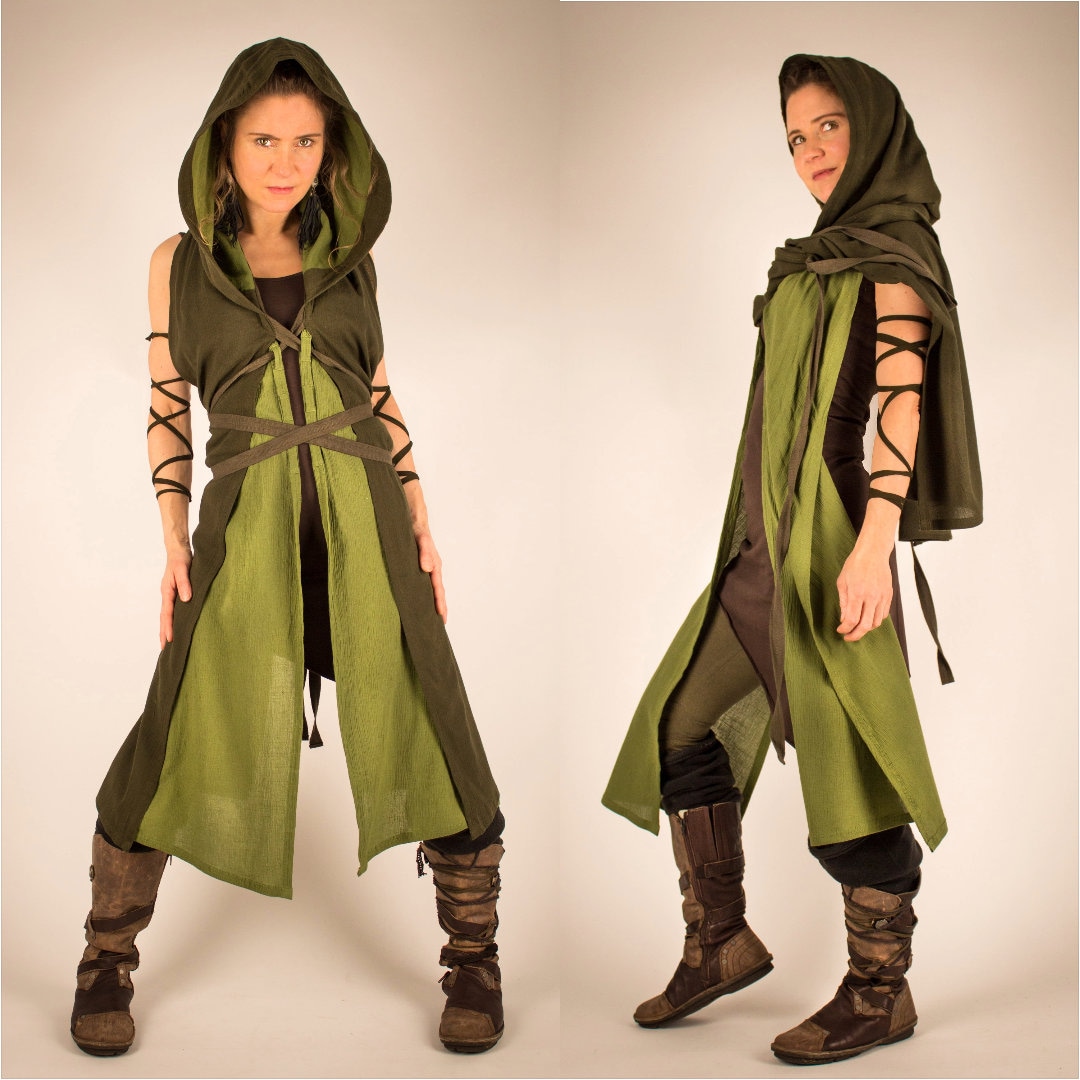
Star Wars Rey Forest Witch Cosplay Costume Jedi Kimono Tunic ...

A Guide to Personal Shoppers

A personal shopper is a professional who supports clients during their buying choices, typically involving fashion, luxury items, or thoughtful presents, and the position seeks to simplify each shopping experience while delivering tailored, knowledgeable suggestions that suit every client’s preferences, requirements, and lifestyle; personal shoppers might operate independently, be employed by a retail store, or work as part of a comprehensive concierge service.The Changing Landscape of Personal ShoppingFor a long time, personal shoppers were linked mainly to upscale department stores and select boutiques, serving affluent customers above all. Over time, though, this profession has changed considerably. As e-commerce and digital…
Read More